
- Bayou Line Response
- Insurance documentation help
- Local bayou knowledge
Water Damage Restoration in Harris County and Greater Houston
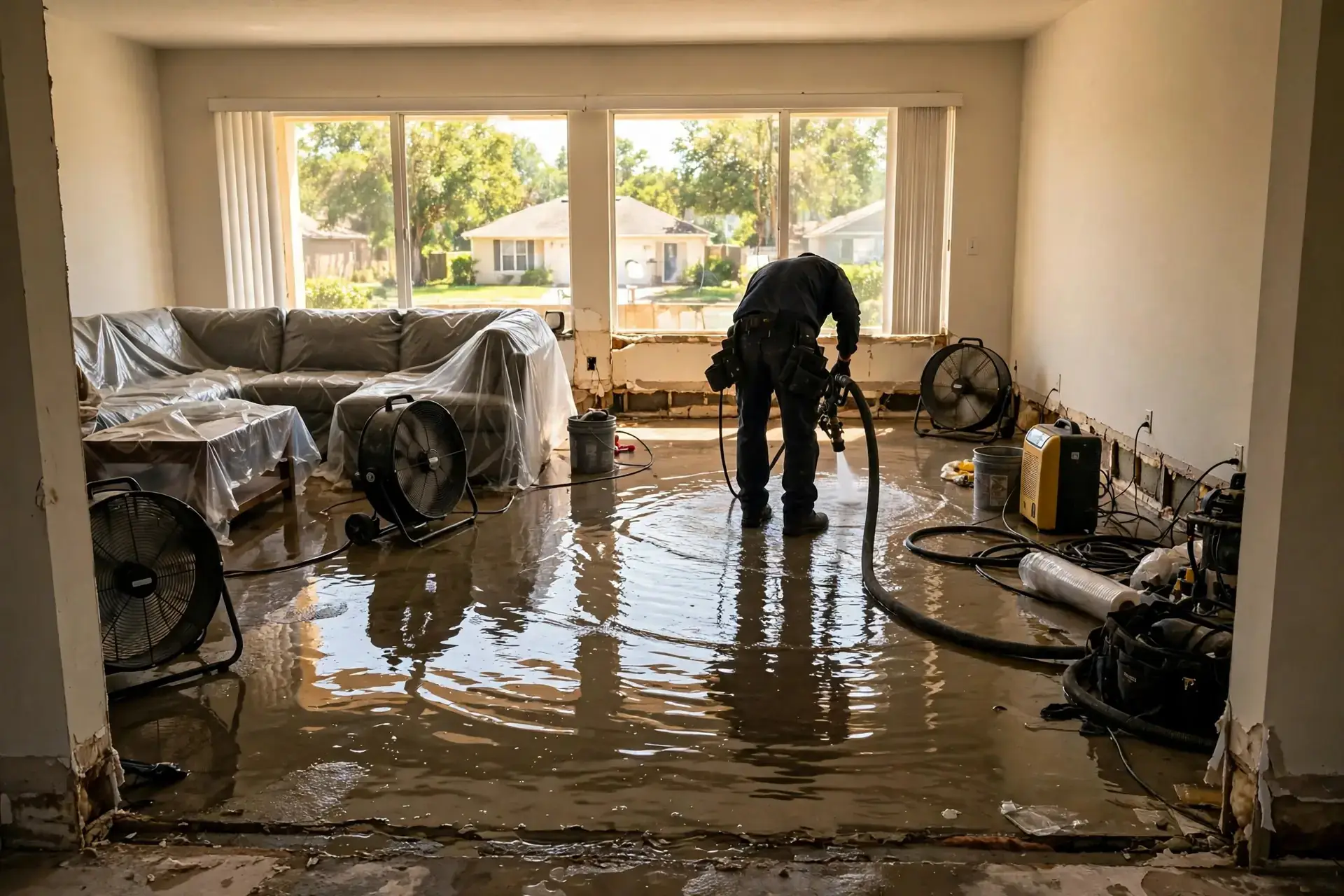
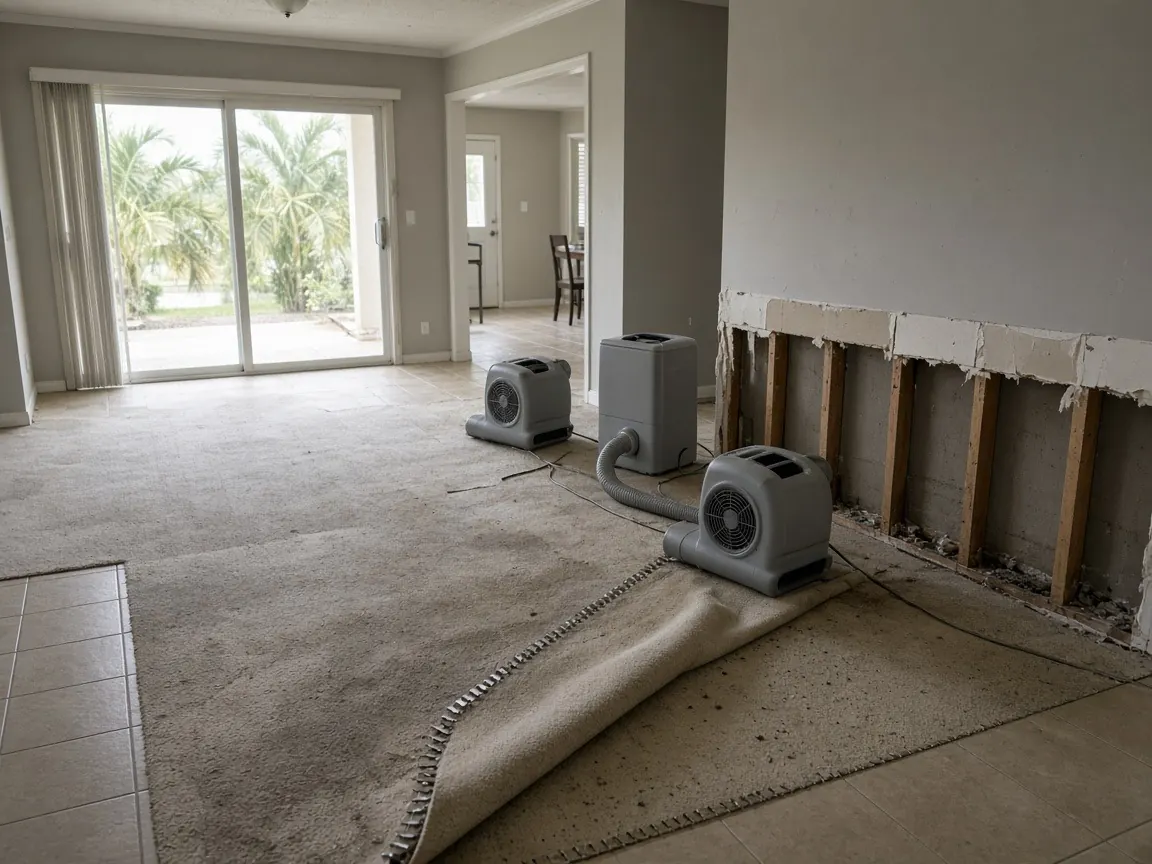
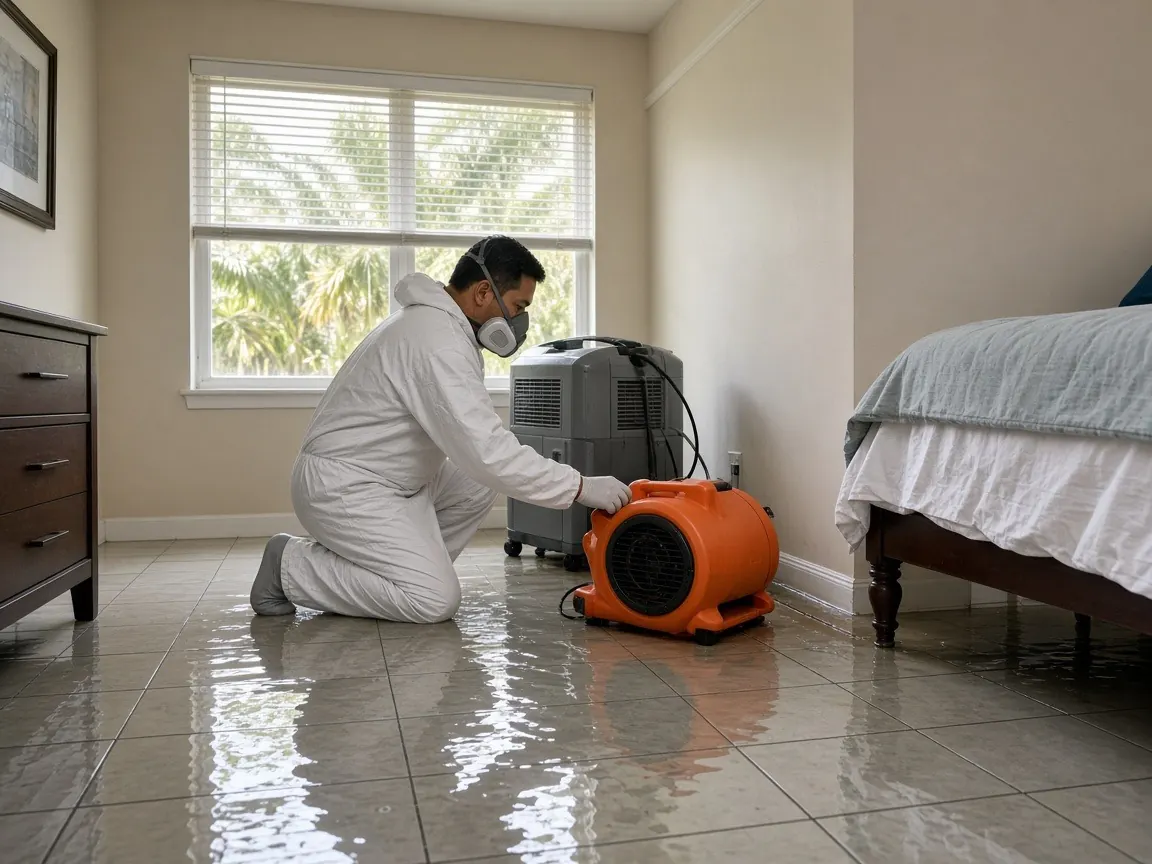
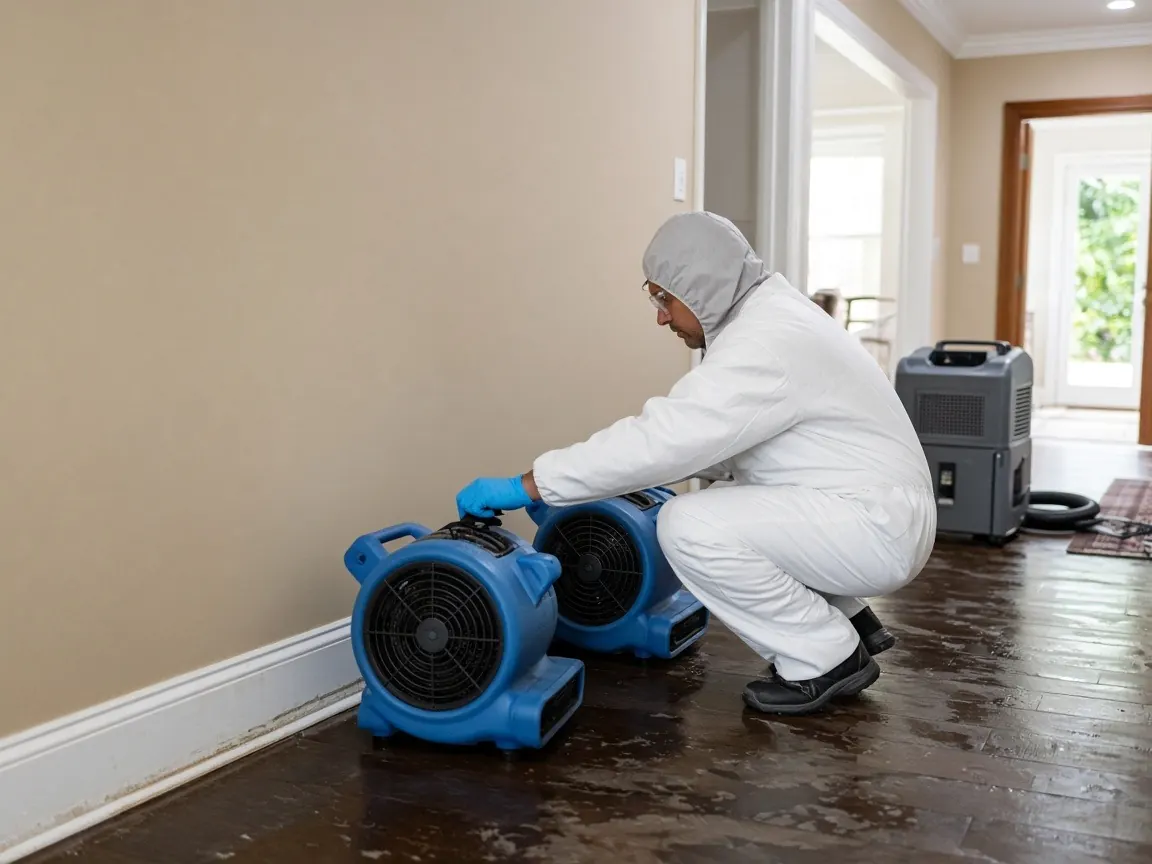
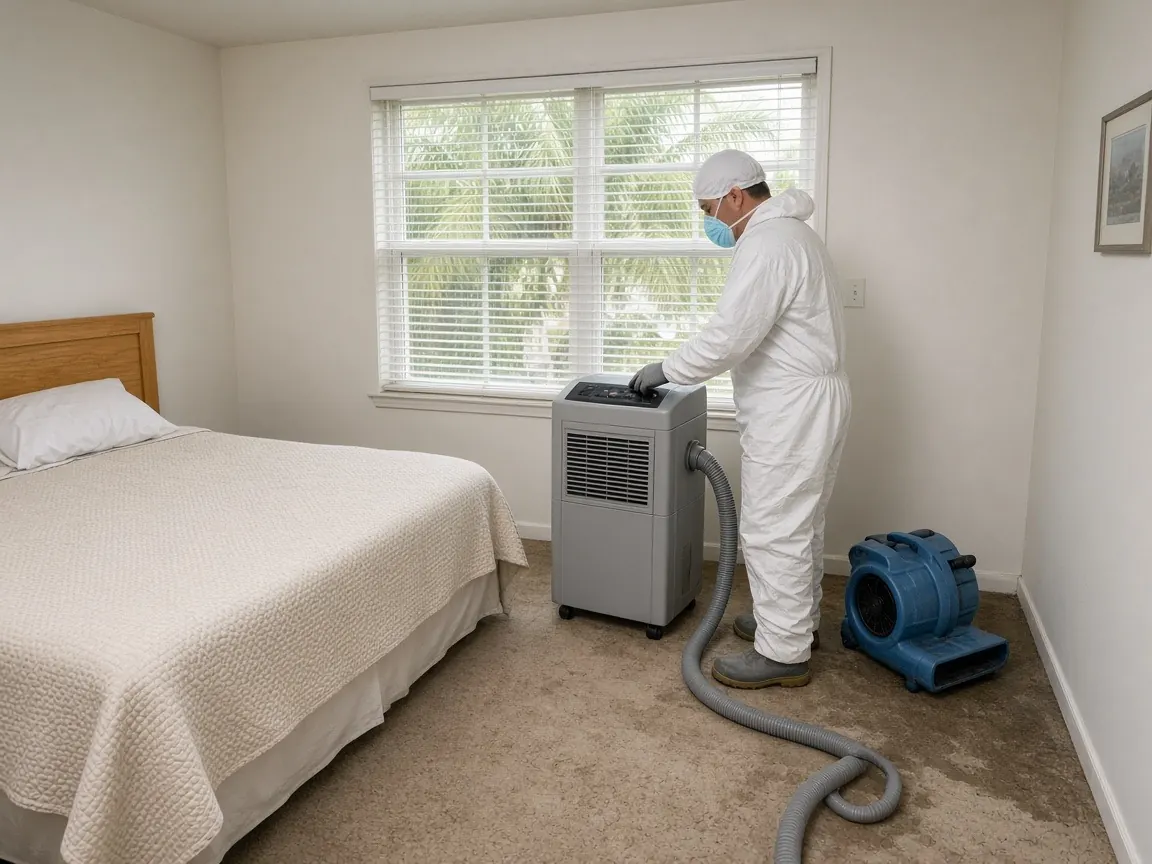
Stop the source if it is safe, photograph the water line, and call. A local company measures moisture and sets drying equipment.
How it works
You call
Call and say what you are seeing: standing water, a stained ceiling, a musty smell that showed up after a leak.
We connect you
Houston Water Damage Assist is a call referral service, and your call goes to an independent local company.
You decide
You and that company agree the work and the terms directly.
Water is on the floor and the clock is already running. Houston sits on a flat plain drained by Buffalo Bayou, Brays Bayou, White Oak Bayou, Greens Bayou, and Sims Bayou, and a slow leak under a slab can soak a house even when the bayou is inside its banks. Bayou Line Response is the sequence this site is built around. If you can do it safely, stop the source. Photograph the line the water reached. Then call. The company you reach measures moisture and sets drying equipment. You also get insurance documentation help, and the person on the phone should know which bayou sits near your street.
Houston Water Damage Assist is a call referral service. Your call goes to an independent local company.
Bayou Line Response
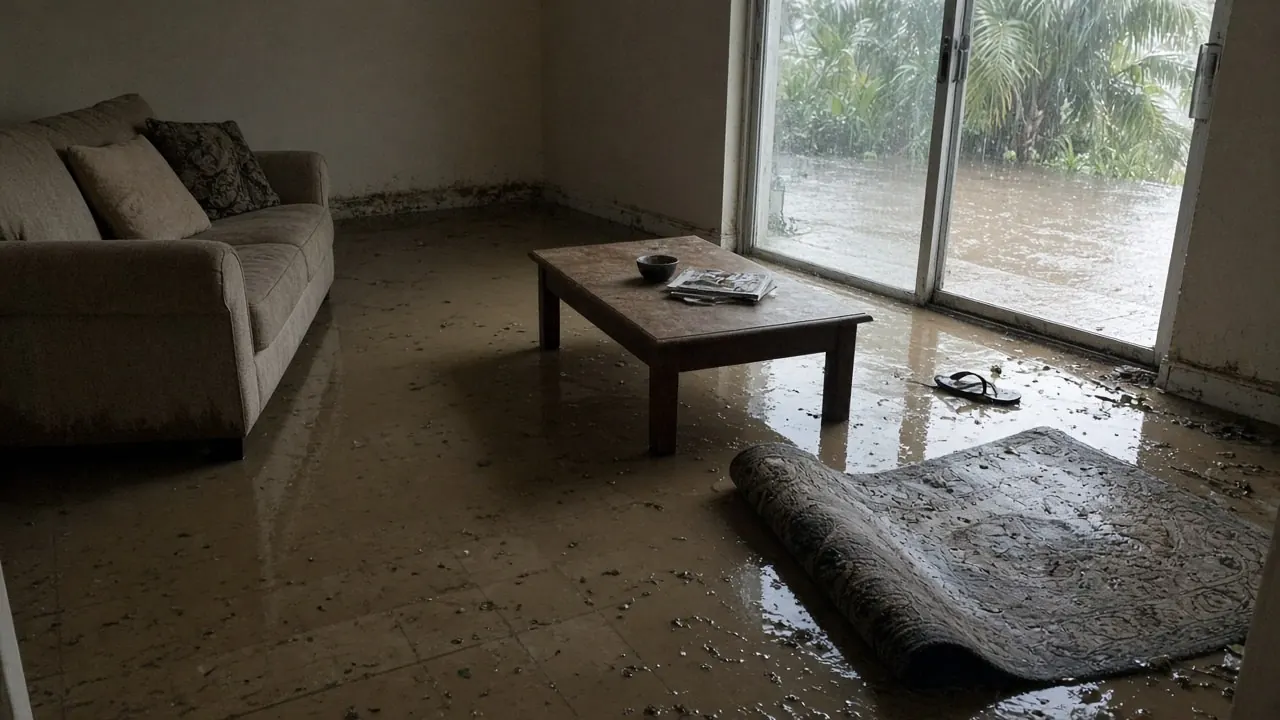
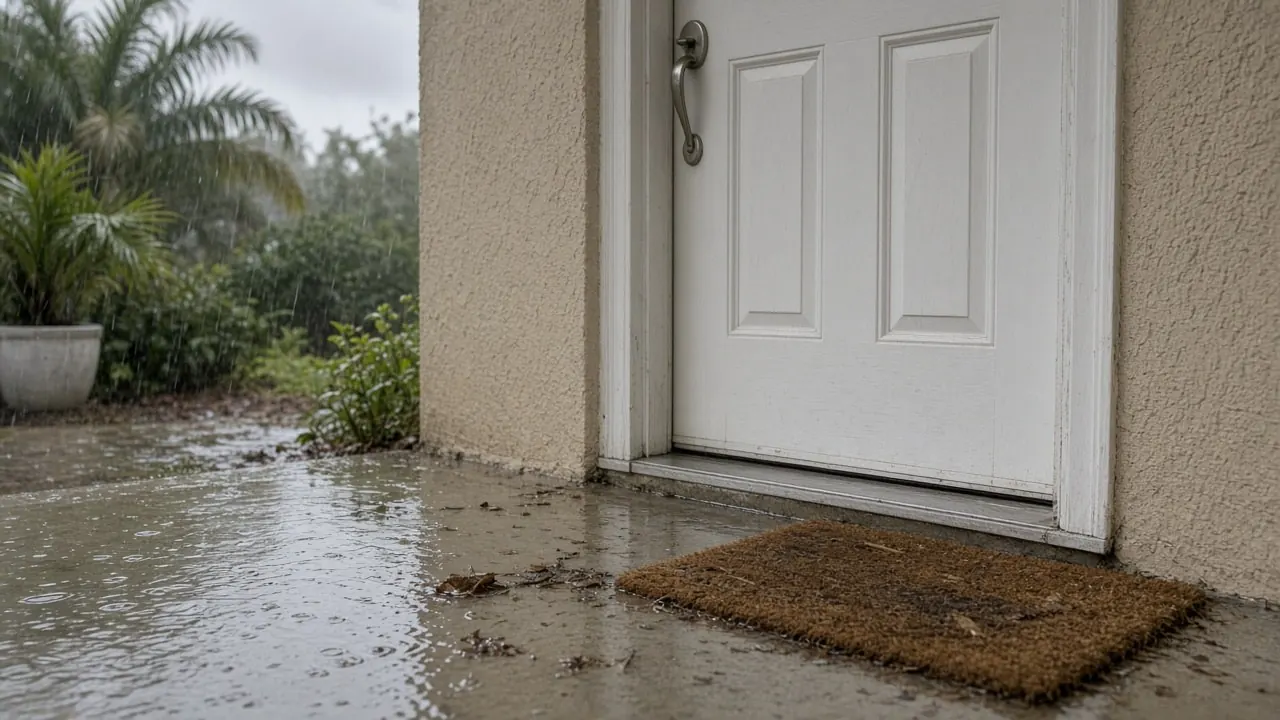
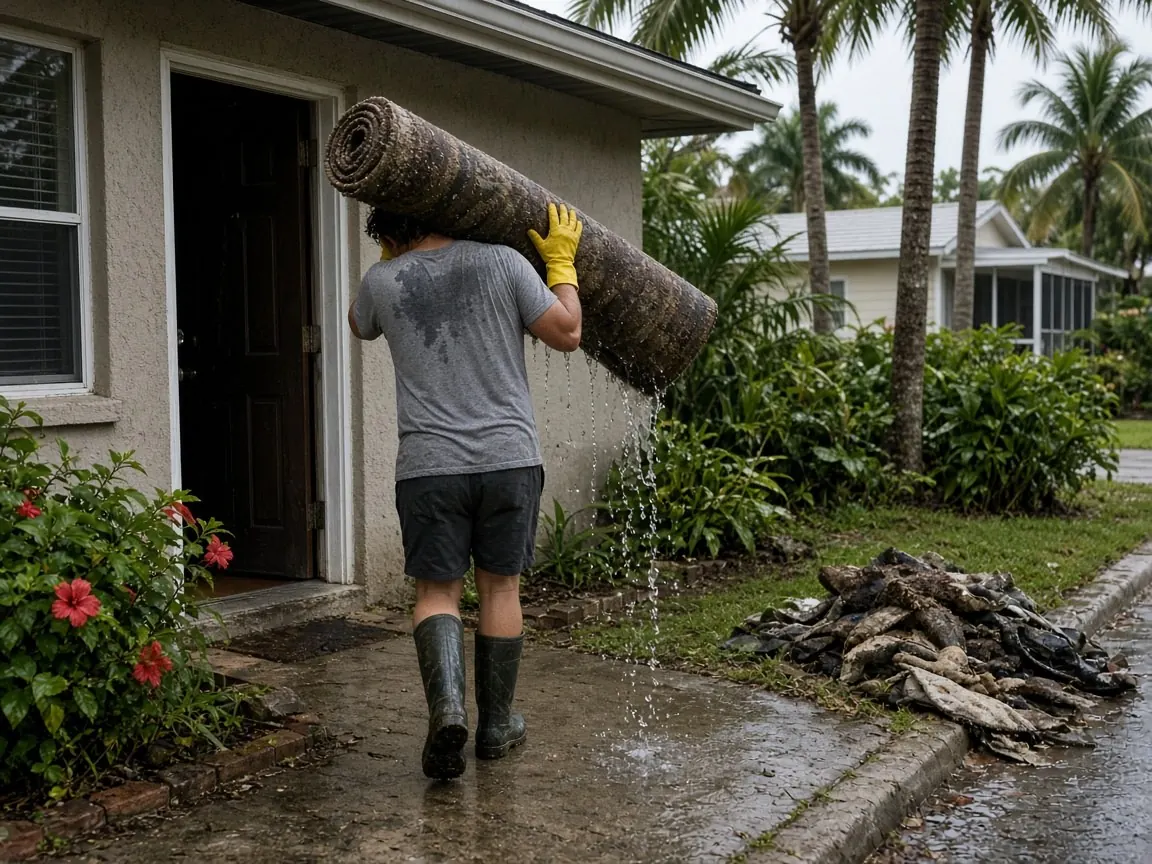
Name the room, say how the water got in, and say how long it has been wet. A supply-line break, an air-conditioner drain that overflowed, and water that came through the door from the street are three different conversations. Have the address ready so the call can go to an independent local company that covers that part of Harris County or Montgomery County.
This site connects the call. The company you reach does the looking, the measuring, and the drying plan with you. Harris County Flood Control District maintains more than 1,500 bayous and creeks, about 2,500 miles of channels, and 23 primary watersheds across about 1,777 square miles where more than 4.7 million people live.
The first hour inside a Houston house
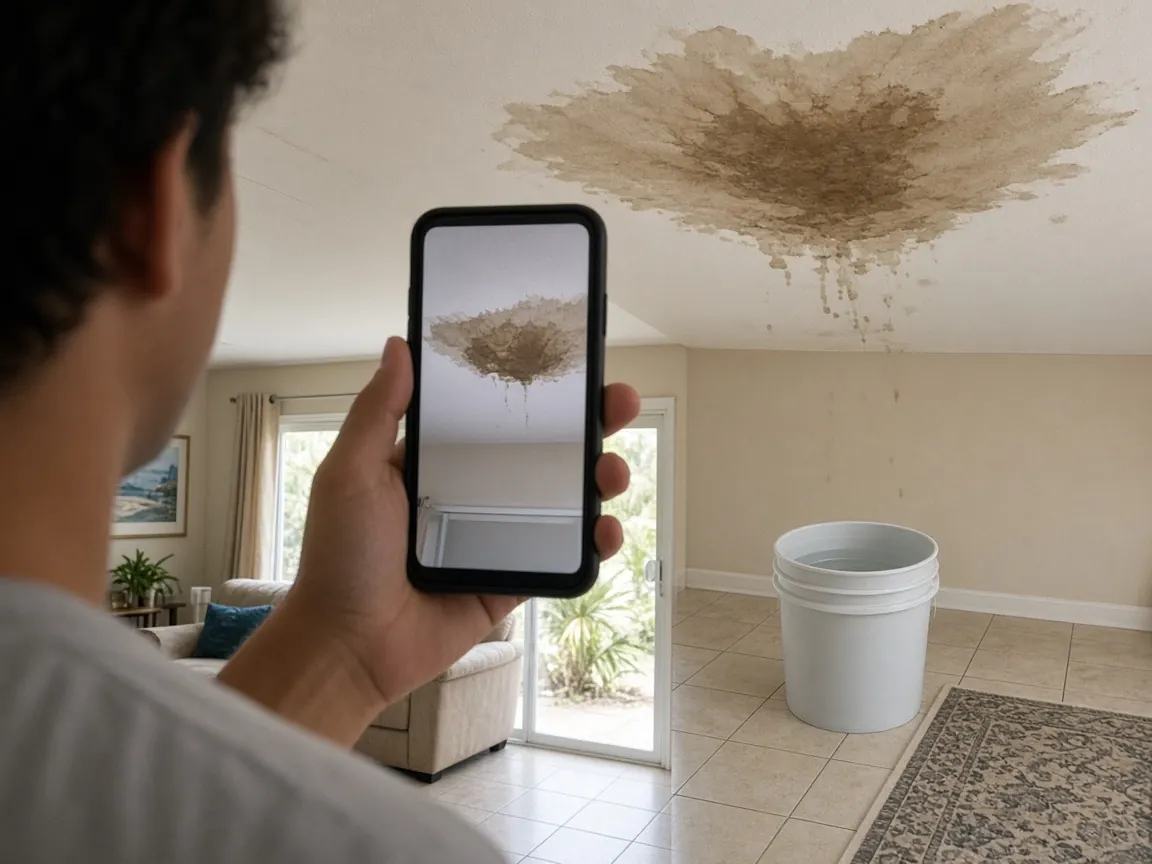

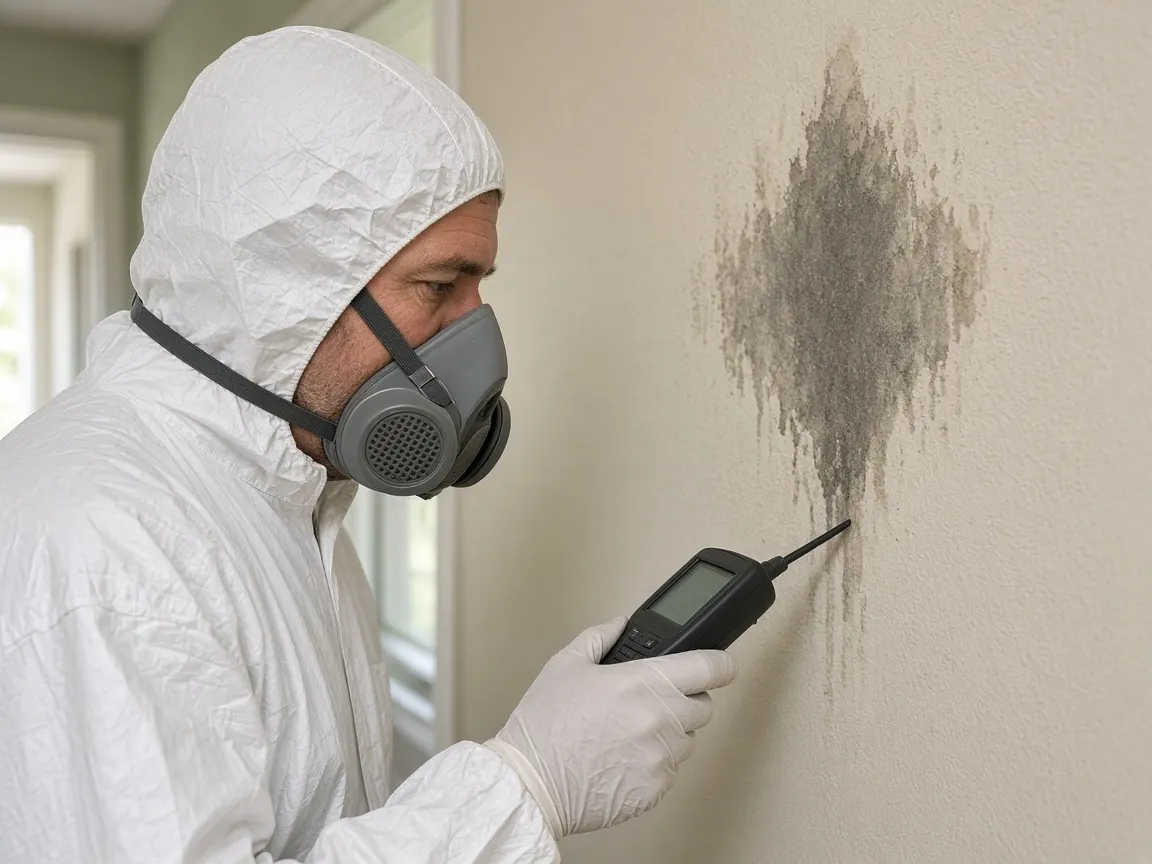
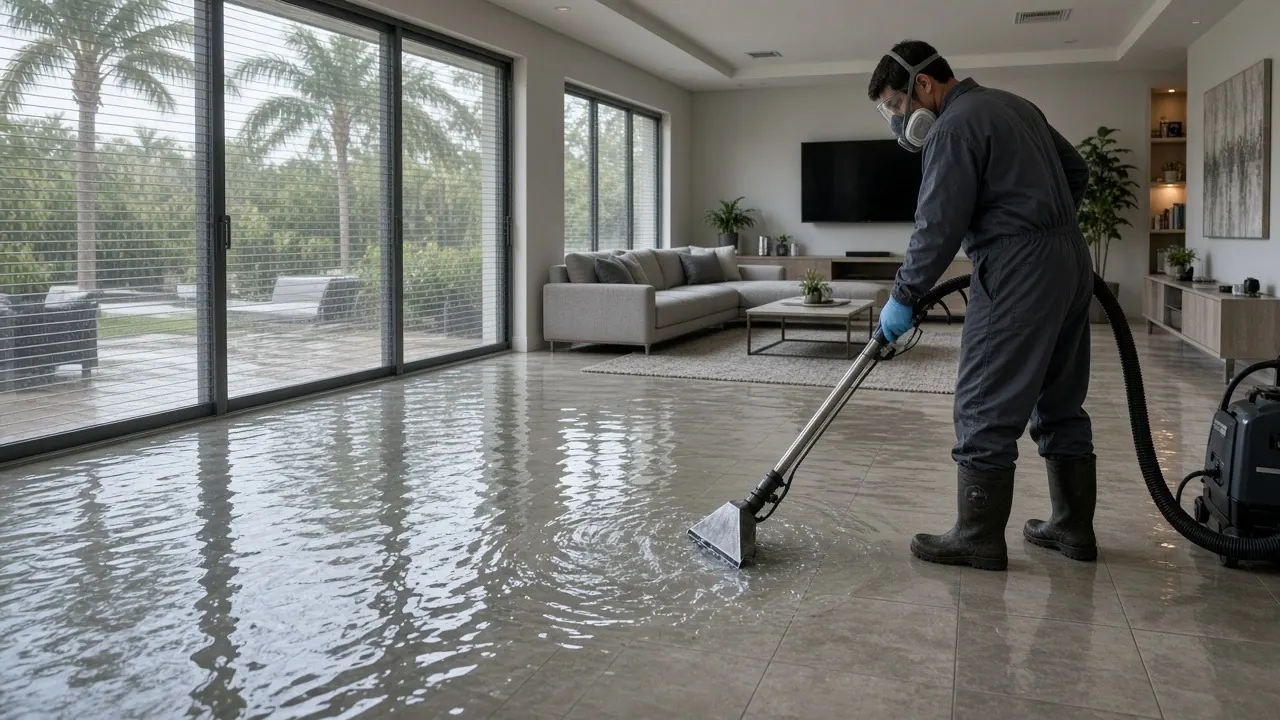
Keep people and pets out of standing water. If a breaker or switch is dry and you can reach it without stepping in water, cut power to the wet rooms. Skip a household vacuum on water. Move photos and papers up and off the floor. A phone photo of the water line, the ceiling stain, and the shutoff valve is the file you will want later.
Then call. Waiting to see if a box fan handles it is how a small wet patch becomes a musty closet. The EPA mold and moisture guide says wet materials should be dried within 24 to 48 hours. See the EPA mold and moisture guide.
Slab houses and the 1982 median
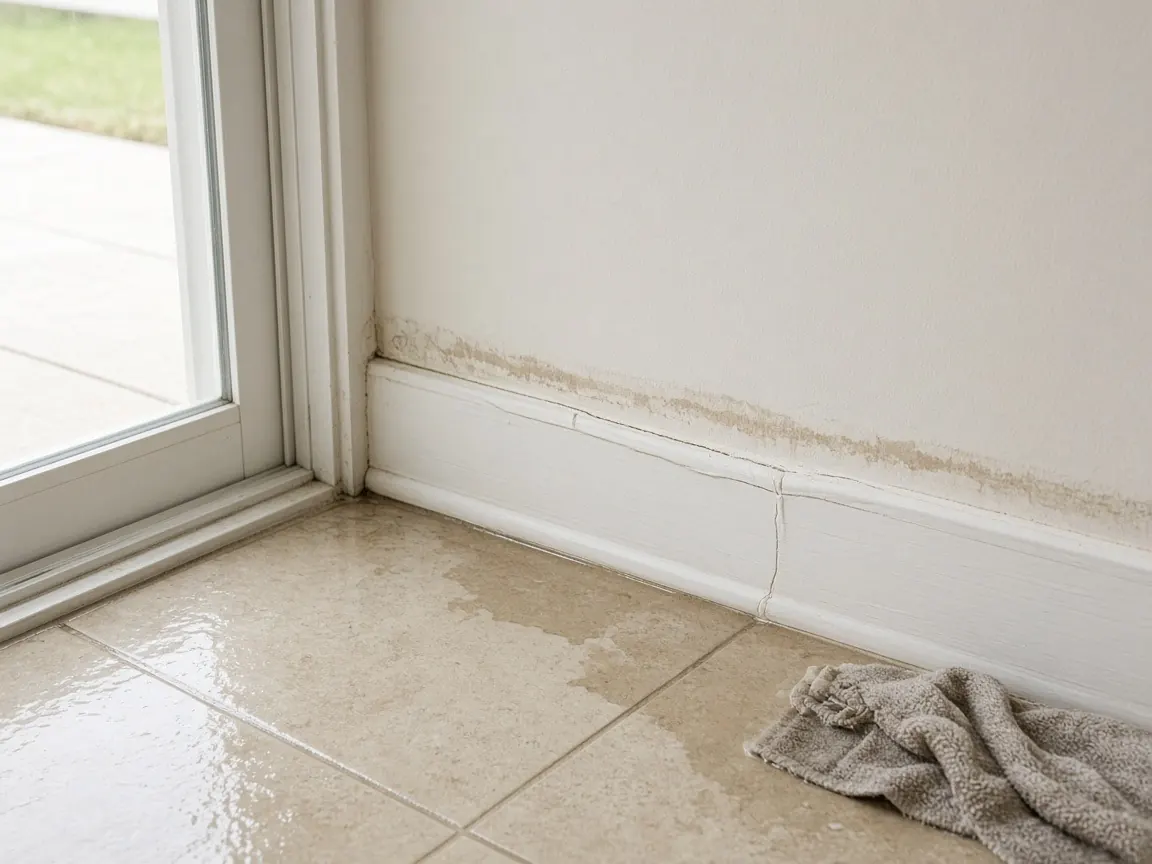
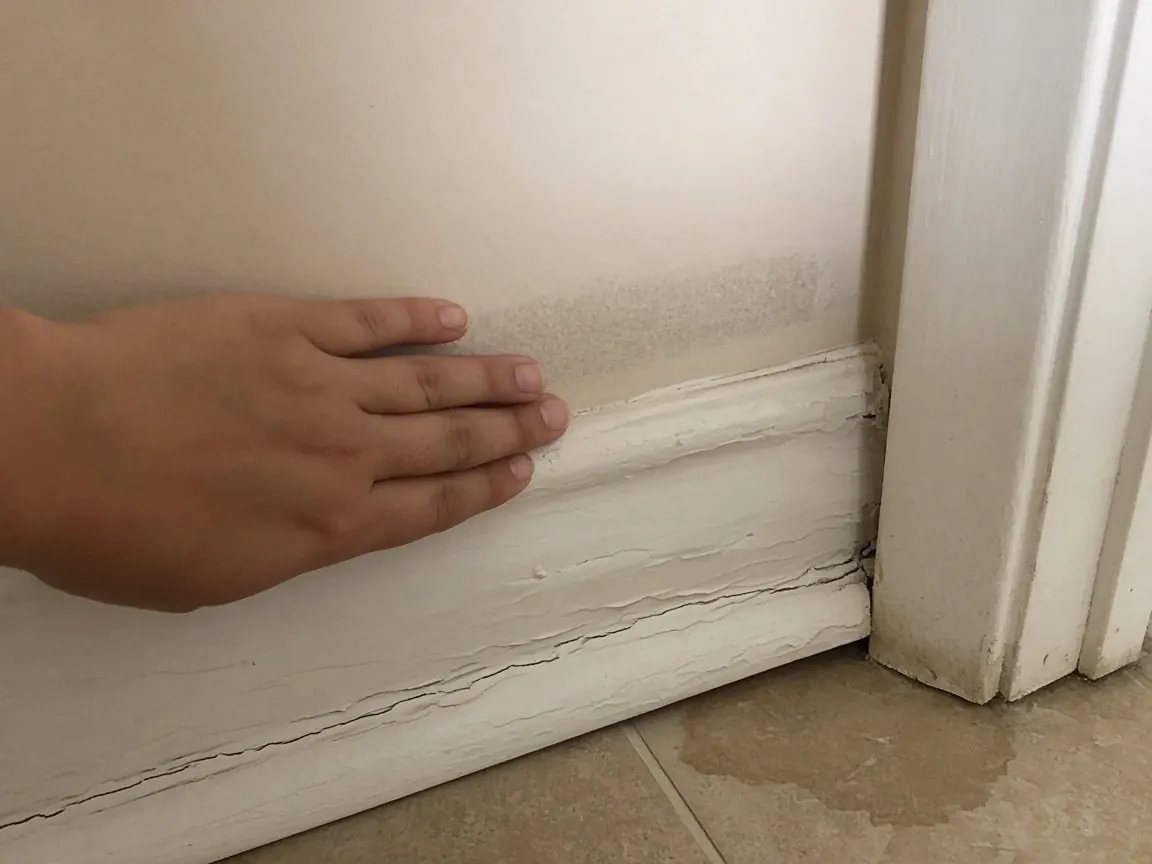
The median Houston home was built in 1982. Of about 1,040,576 housing units in the city, 47.0 percent were built before 1980, and 47.6 percent are single-unit homes. A lot of that stock is slab on grade. A hot-water line or a supply line under the slab can wet the flooring from below while the room still looks almost normal.
Soft baseboards, a warm spot in the tile, or a musty hall closet are the clues owners describe. The company you reach can meter the floor and the wall instead of guessing from the stain you can see.

Named bayous and named storms
Buffalo Bayou runs through downtown. Brays Bayou passes the Texas Medical Center. White Oak Bayou drains the near northwest. Greens Bayou and Sims Bayou carry the east and south sides. Hurricane Harvey made landfall on August 25, 2017 near Rockport as a Category 4 storm, and the rain over the Houston region ran from August 25 to September 1. Many gauges recorded 36 to 48 inches. The City of Houston reported a peak of 54.00 inches at Bunker Hill Village, and about a third of the city was underwater, with the city hit hardest from August 26 to August 30.
Harris County Flood Control recorded record levels at 9 of 19 gauges in Harvey, and at least 160,000 structures flooded in Harris and Galveston counties. Memorial Day in May 2015 hit Brays Bayou hardest. Tax Day, April 16 and 17, 2016, dropped 13 to 17 inches in about 12 hours on Addicks, Barker, and upper Cypress Creek. Hurricane season runs from June 1 to November 30, and Houston flood risk is year-round with a peak in those months. Read the National Hurricane Center Harvey report and the NOAA hurricane season explainer.
Mold timing in this humidity
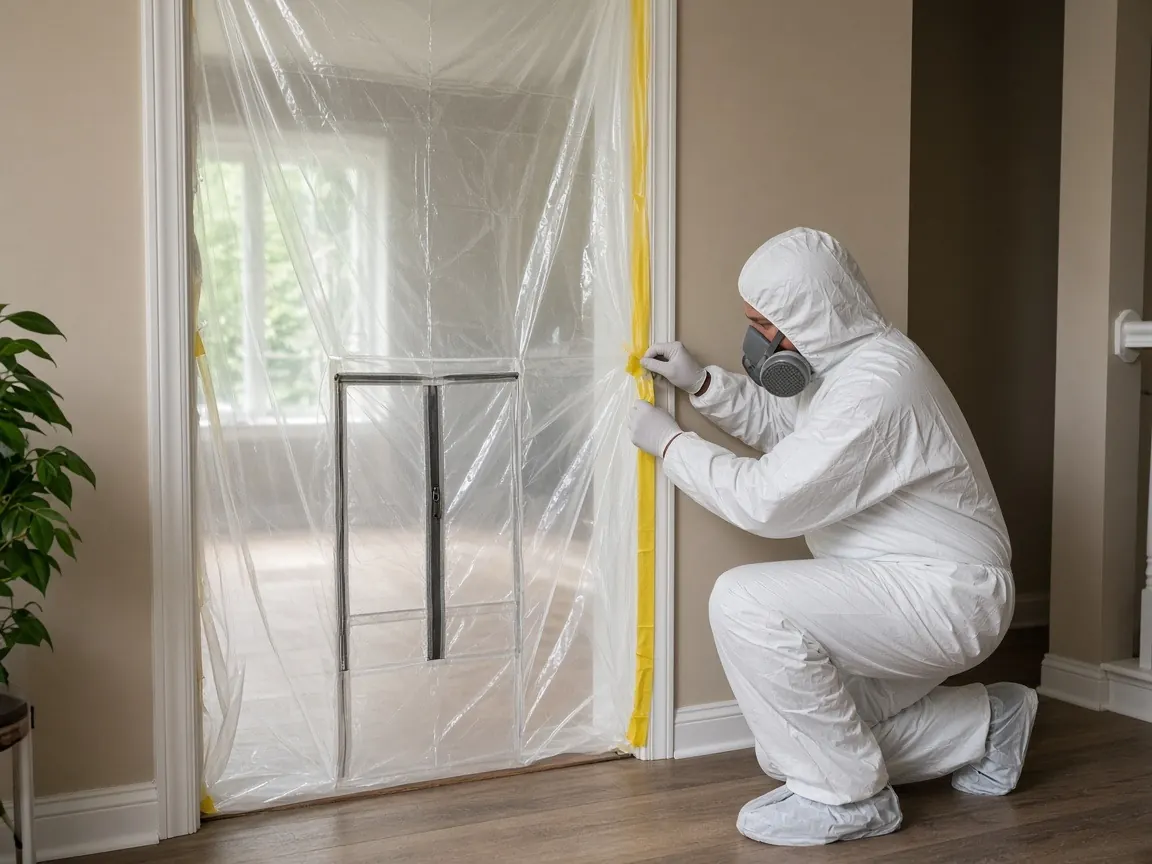
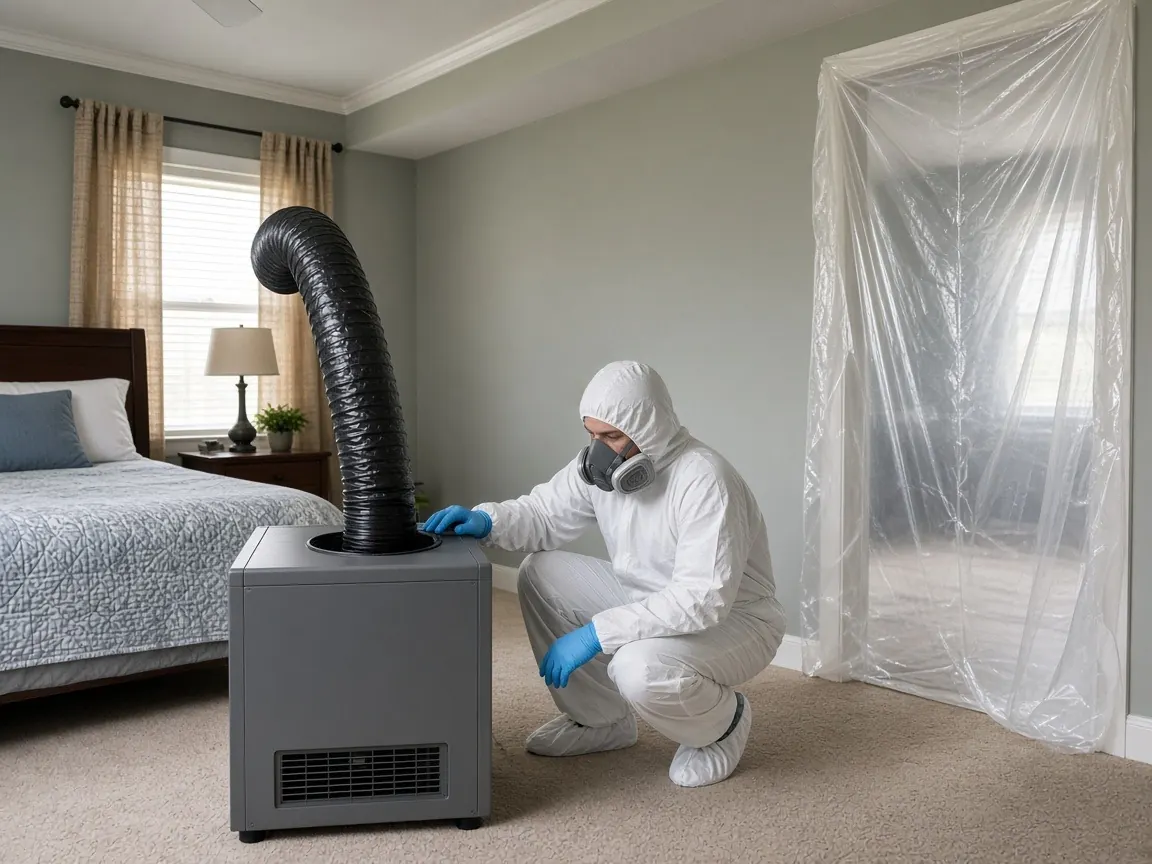
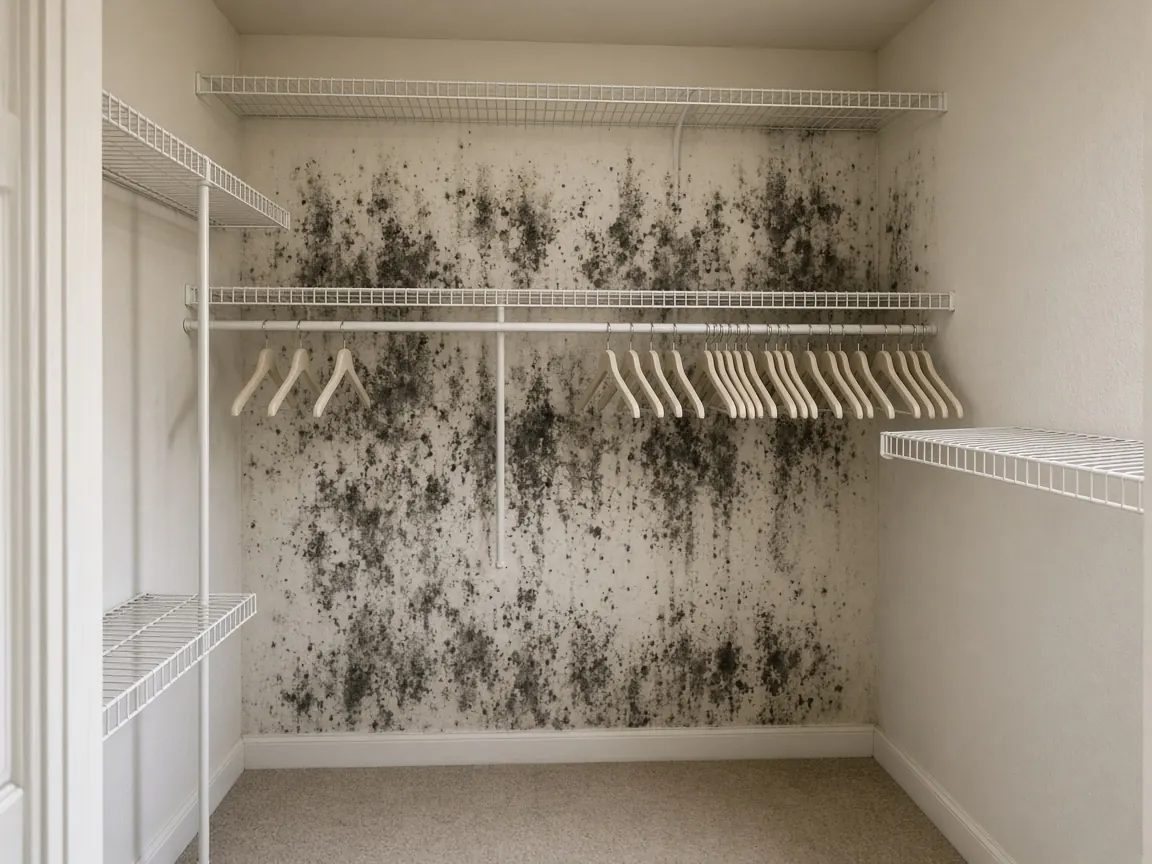
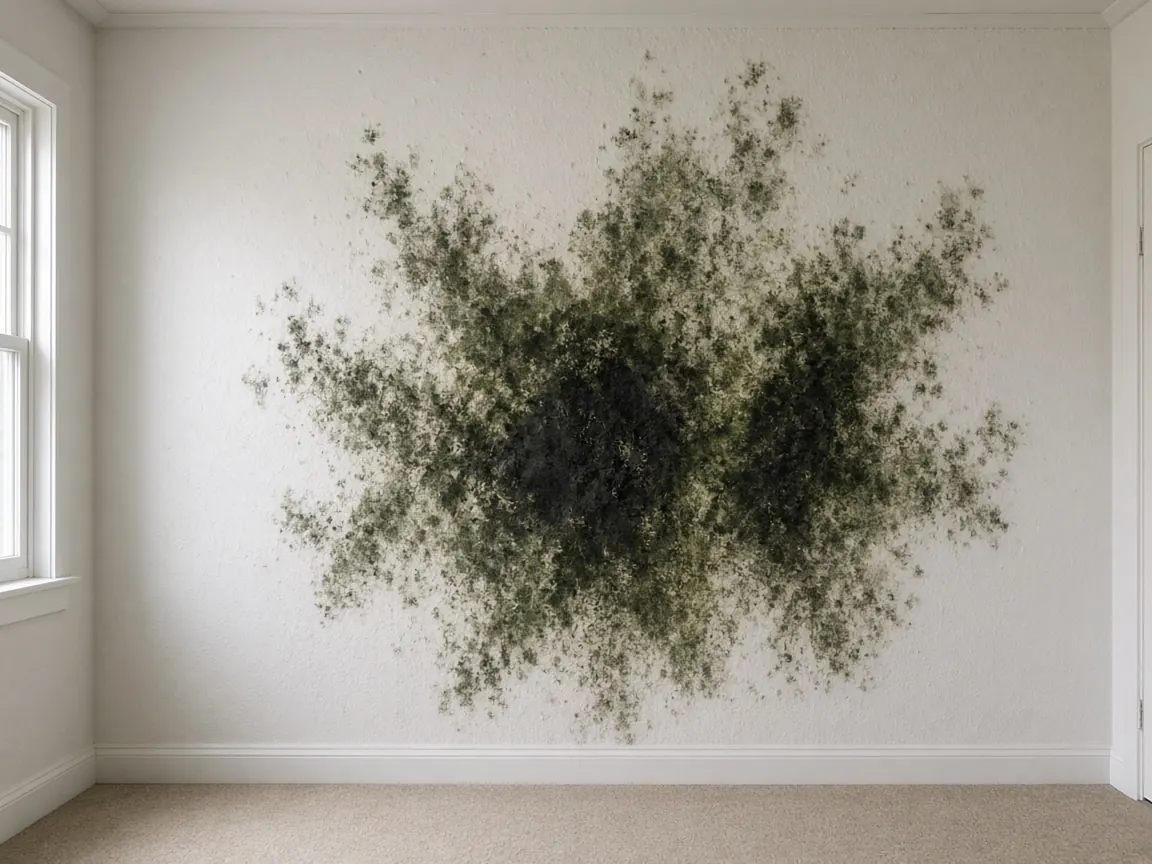
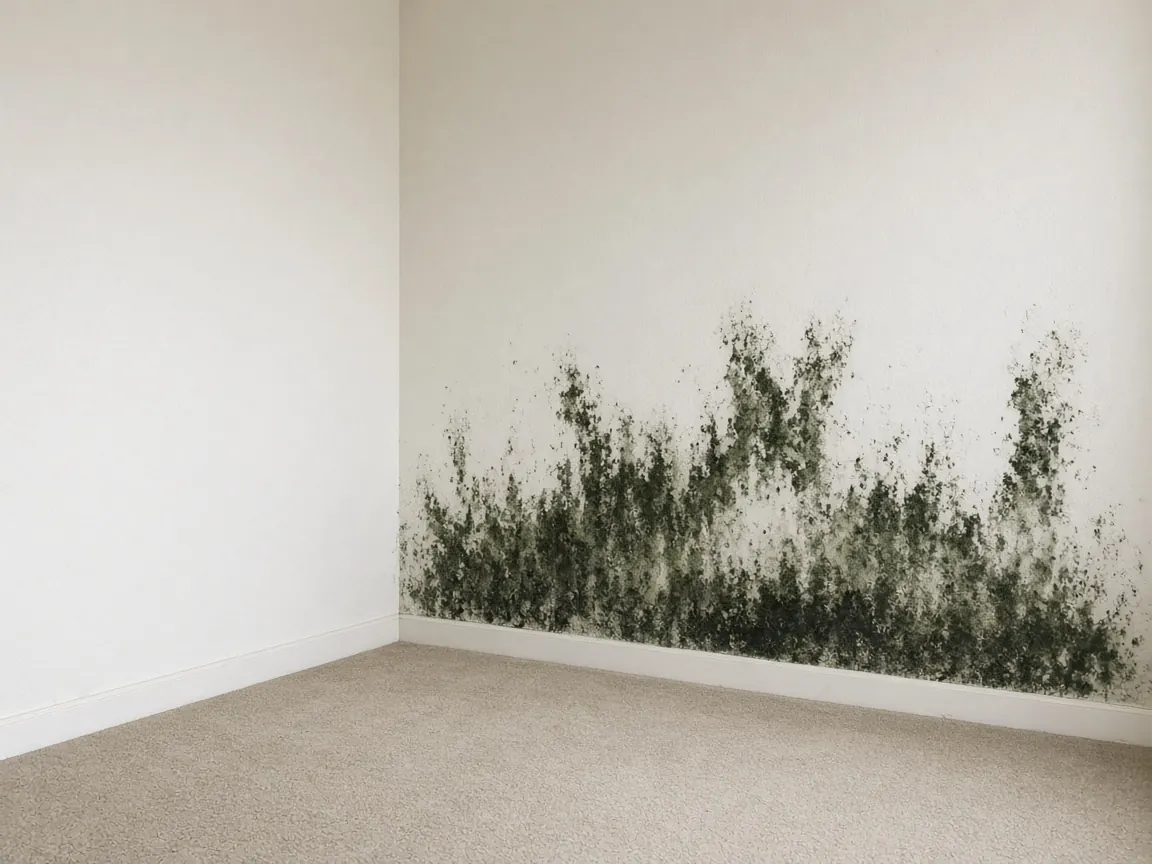
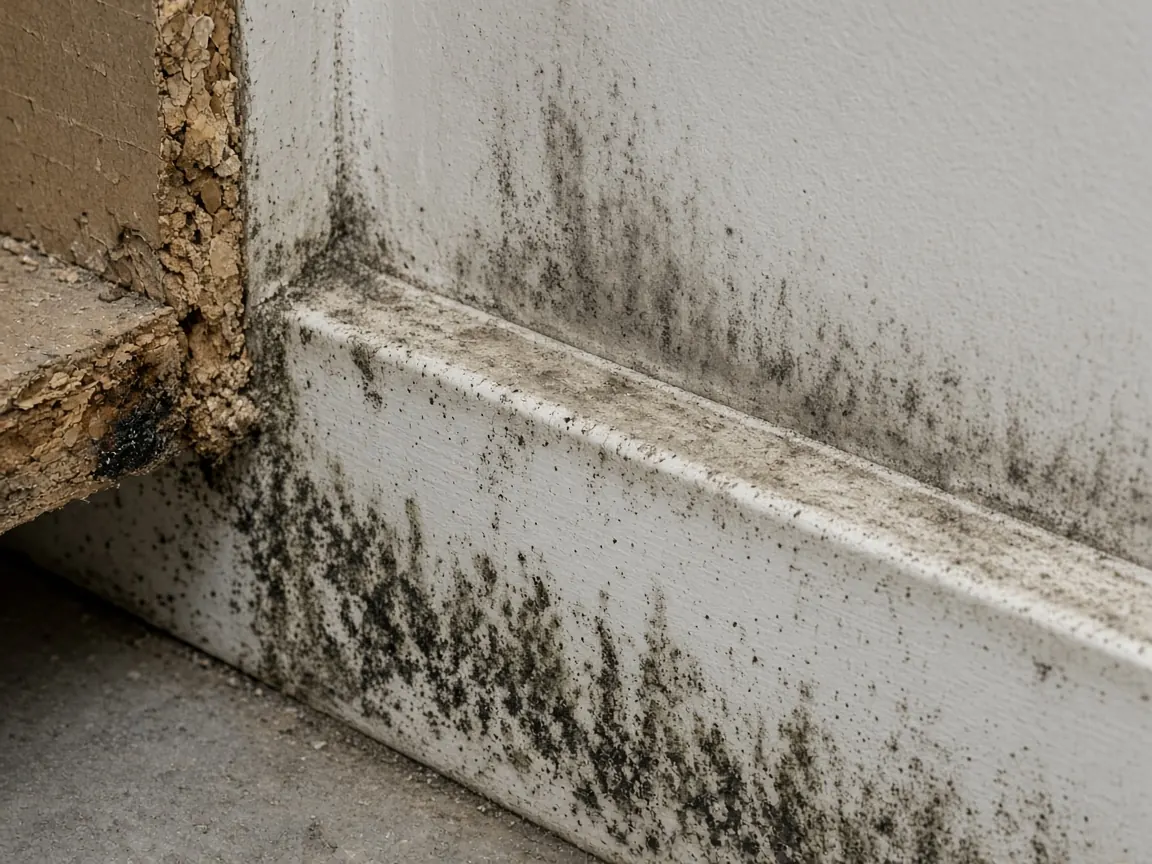
After the puddle is gone, the drywall and the carpet pad can still be wet. In Houston humidity that hidden moisture is the mold problem. The EPA window is about 24 to 48 hours for drying wet materials. A closed house with the air conditioner off gives mold a head start.
Texas licenses mold remediation once the growth covers 25 contiguous square feet or more. Water extraction and structural drying do not use a state license. The full rule, including the separate assessor and the Certificate of Mold Damage Remediation, is on the mold remediation page. Start with the TDLR mold program and Texas Occupations Code Chapter 1958.
Papers for the insurance file
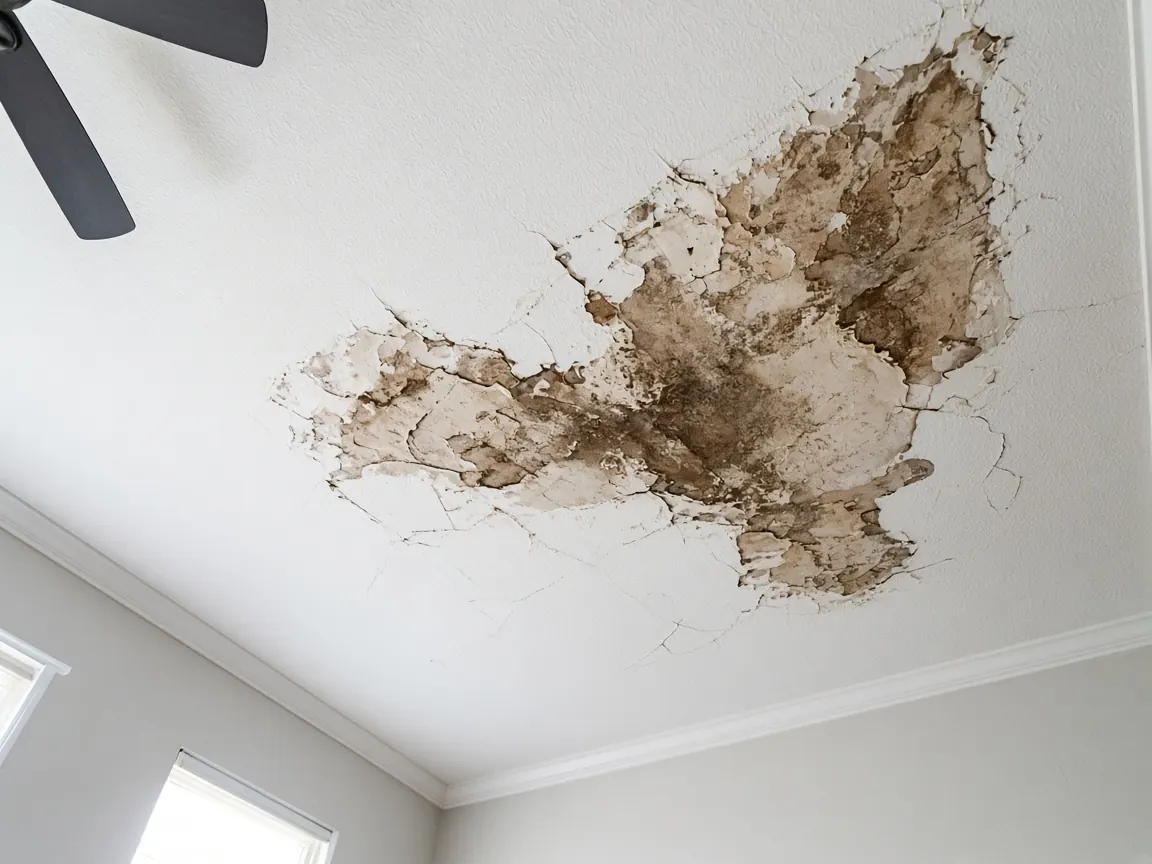
A flood policy and a homeowners policy answer different kinds of water. Rising water from a bayou is the flood-policy question. A pipe that breaks inside the house is a different question for your agent. Read the policy and call the agent. Photograph rooms before anything is thrown out.
Write down the time you first saw the water, the rooms it reached, and what you shut off. That note, plus the moisture readings the company records, is the documentation help this call is meant to line up. Your policy decides what it pays.
What changes the size of the job
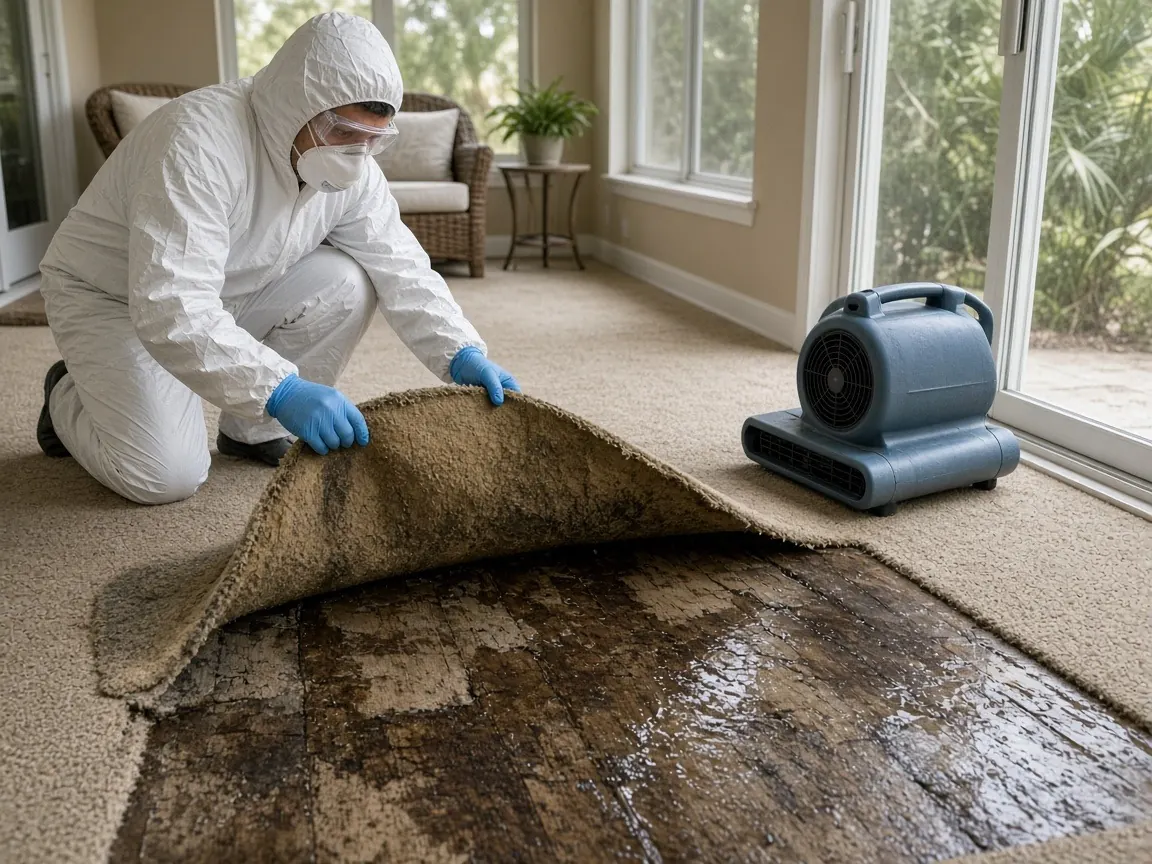
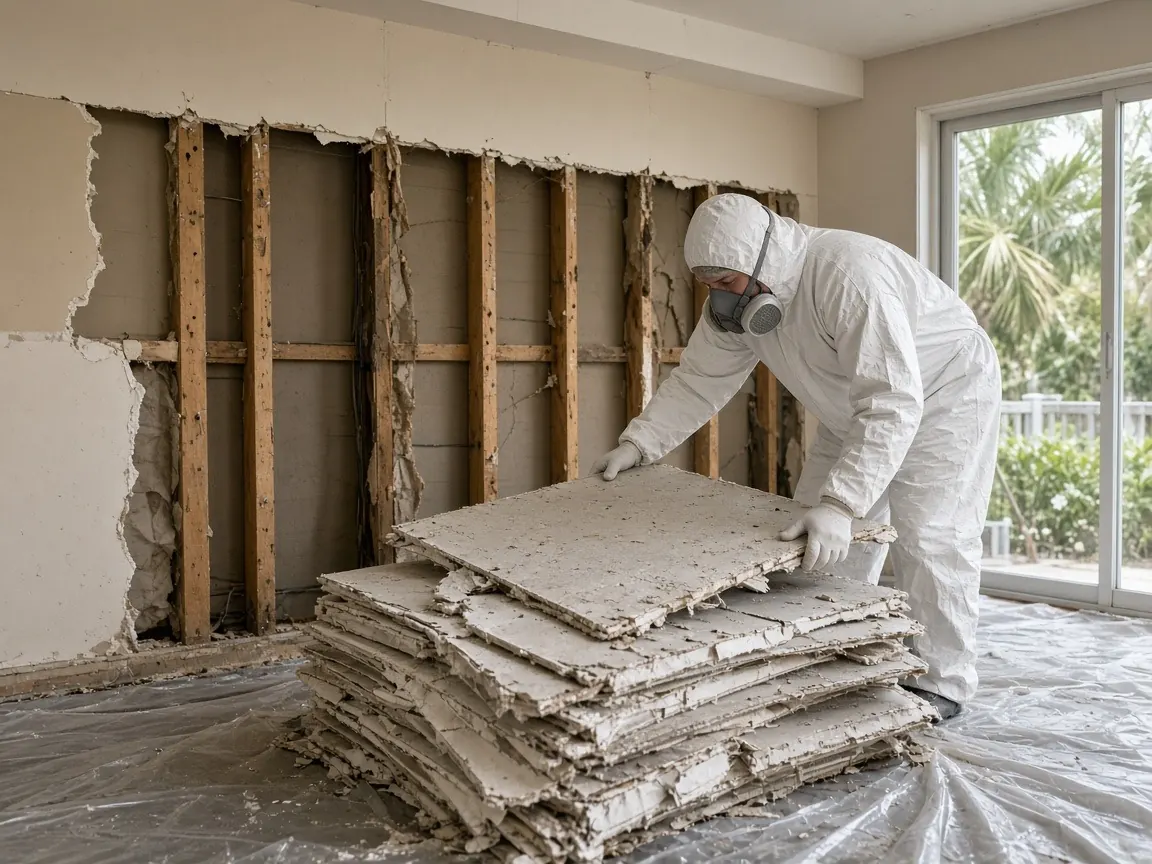
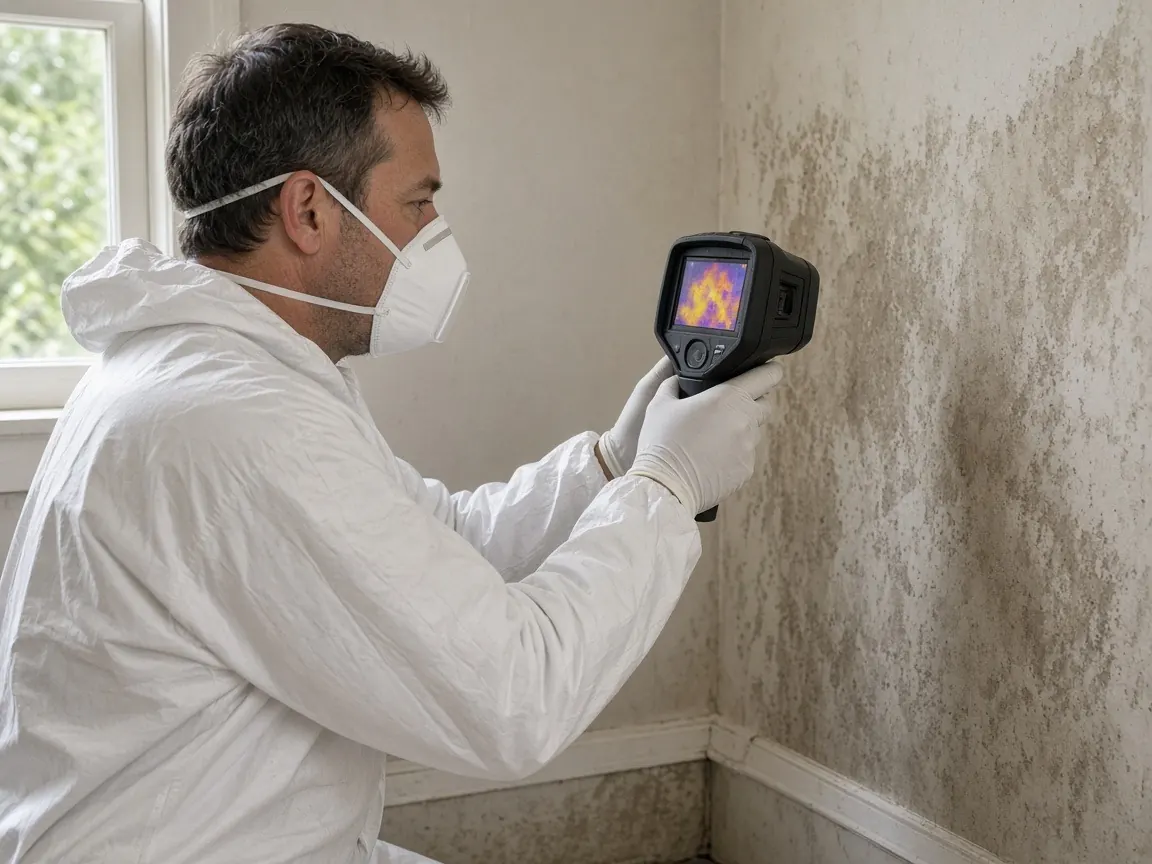
Square feet that are wet, how many hours the water sat, whether the house is a slab, and whether mold has crossed 25 contiguous square feet all change the work. A towel on a kitchen floor is a different job from a living room that held bayou water overnight, and from a wall cavity that is still wet three days later.
Nobody on this page can name a figure from a paragraph. The company you reach has to see the water line and meter the materials. Call with photos so that visit starts with the truth of the house.
Where these calls connect
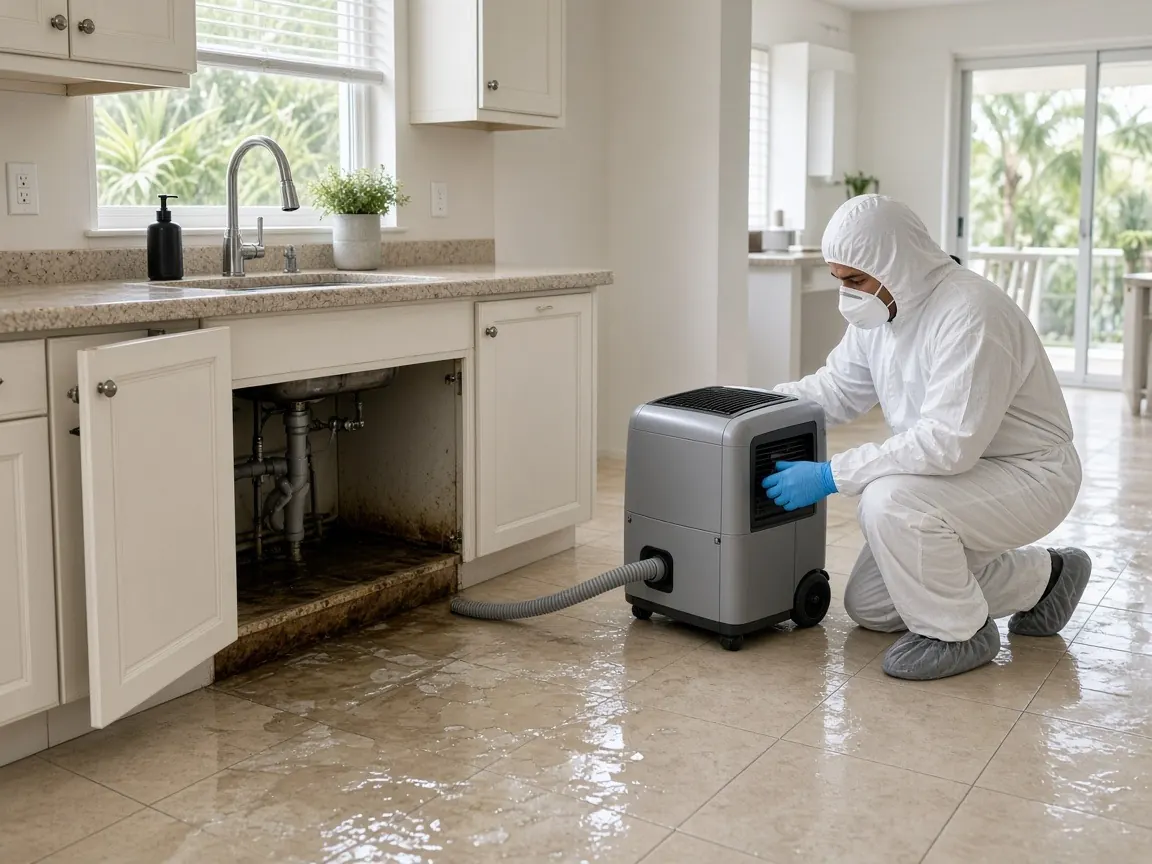
This site connects calls for Houston, Spring, and Katy in the Harris County conversation, and for Conroe and The Woodlands in Montgomery County. Calls also connect across the wider metro, including Pasadena, Pearland, Sugar Land, Baytown, League City, Missouri City, Humble, Tomball, and Bellaire. Open the city page for the bayou or creek that actually borders you: Houston, Spring, Katy, Conroe, and The Woodlands.
Service pages go deeper on mold remediation, flood damage restoration, water extraction, sewage cleanup, and burst pipe repair. Guides cover the first hour, flood water safety, and the bayou map in plain language.
FAQ
What should I do in the first hour after water shows up?
If it is safe, stop the source and keep people and pets out of standing water. Cut power to wet rooms only if you can do that without stepping in water. Photograph the water line, skip a household vacuum on water, and call. Bayou Line Response continues when the company you reach measures moisture and sets drying equipment.
Is flood water in a Houston house safe to walk through?
Treat water that came in from a bayou, a street, or a storm drain as contaminated. It can carry sewage and hidden debris, and it can hide a live electrical path. Stay out of it when you can, and use the flood water safety guide before you start cleanup.
How do I report a water leak in Houston?
A leak inside the house and a leak in the city main are different calls. If a pipe, heater, or supply line is wetting your rooms, shut the water off when you can do it safely and use Call Now on this site. If the leak is at the meter, Houston 311 separates the sides: from the meter toward the house is the owner's plumber, and from the meter toward the street is a city service request called HPW-Meter Leak. An investigation can take up to 14 days. Water-bill questions go to Houston Customer Account Services at 713-371-1400. You can also dial 311 or email 311@HoustonTX.gov. Flood maps are on the FEMA Map Service Center.
What changes how big a water damage job becomes?
How many square feet are wet, how long the water sat, whether the house is slab construction, and whether mold covers 25 contiguous square feet or more. The company meters the materials after seeing the house.
How fast can mold start in Houston humidity?
The EPA says wet materials should be dried within about 24 to 48 hours or mold can grow. A closed Houston house in warm weather is on the short end of that window. See the EPA mold and moisture guide.
Does Texas license water extraction?
Water extraction and structural drying do not use a state license. Mold remediation at 25 contiguous square feet or more needs a TDLR Mold Remediation Contractor under Texas Occupations Code Chapter 1958, and a separate licensed assessor writes the protocol. See the TDLR mold program.
Will insurance documentation be part of the call?
Yes. Photograph the damage, note when you found it, and ask your agent whether a flood policy or a homeowners policy is the one that applies. Rising bayou water and a broken indoor pipe are different questions. The company you reach can record moisture readings for that file. Your policy decides payment.
How fast can help get to my house?
There is no promised minute count. How fast a company can reach you depends on call volume at that moment and where its crews already are in the metro. Calling now is the fastest way to get a real answer for your address, because the company you reach can say where its nearest crew is and what comes next.
The water is not going to dry itself
Have the address and a photo of the water line in your hand.